Loargys should be administered by intravenous infusion or subcutaneousinjection, using the same dose. In clinical trials, treatment was initiated as intravenous administration withsubsequent transition to subcutaneous administration after 8 weeks, at the earliest.1
The recommended starting dose of Loargys is 0.1 mg/kg once weekly1
Plasma arginine concentrations should be determined at baseline1
The weekly dose should be adjusted with the aim of achieving pre-dose plasma arginine levels near the upper limit ofnormal (ULN)1
Dose adjustments should typically be based on two consecutive measurements1
The dose may be increased or decreased in 0.05 mg/kg increments to achieve therapeutic goals1
It is advisable to monitor plasma arginine levels weekly for two weeks after any dose adjustment, to assess the impact ofthe dose change1
Once the individualised dose level has been established, monitoring of plasma arginine concentration is recommended at intervals of no more than three to six months1
Loargys instructions for preparation
Loargys should be administered by intravenous infusion or subcutaneousinjection, using the same dose. In clinical trials, treatment was initiated as intravenous administration withsubsequent transition to subcutaneous administration after 8 weeks, at the earliest.1
Remove the vial(s) from the refrigerator and allow them to reach room temperature.
Inspect the vial visually for particulate matter and discolouration prior to administration. Discard any vial(s) not consistent with this appearance.
Withdraw the intended dose into the syringe.1
For subcutaneous administration
Administer the undiluted solution as subcutaneous injection into the abdomen, lateral part of the thigh, or the side or back of the upper arms. Rotate injection sites between doses. Do not inject into scar tissue or areas that are reddened, inflamed, or swollen.1
If injecting into the abdomen, avoid the area directly surrounding the navel.1
If more than one injection is needed for a single dose of Loargys, the injection sites should be at least three centimetresapart.1
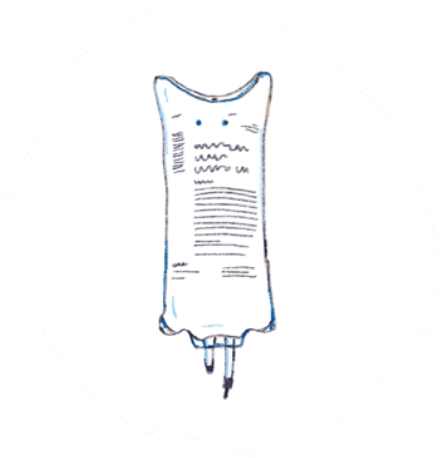
For intravenous administration
Dilute with sodium chloride 9 mg/ml (0.9 %) solution for injection to achieve the desired volume of infusion (maximum pegzilarginase concentration 0.5 mg/ml).1
Administer the intravenous infusion over at least 30 minutes.1
Do not mix other medicinal products with Loargys or infuse other medicinal products concomitantly via the same intravenous access line.1
Laboratory analysis
Loargys will interfere with routine arginine laboratory analysis, resulting in erroneous low levels due to post-collection degradation of arginine1
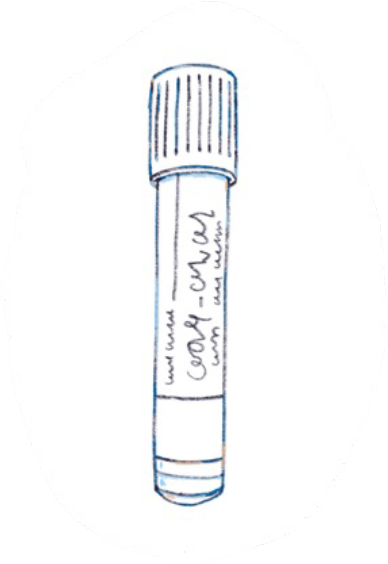
Nor-NOHA blood collection tubes must be used when measuring arginine levels in patients treated with Loargys.
Nor-NOHA is an inhibitor of arginase and halts degradation of arginine in blood samples
CE-marked nor-NOHA blood collection tubes are commercialised by Immedica Pharma AB
Loargys Summary of Product Characteristics (Nov 2025).
You are now leaving loargys.com and being redirected to ARG1DInfo.com
This Immedica website is intended for EU healthcare professionals only and contains promotional content. The product discussed on this website may have different product labelling in different countries.
If you are a US healthcare professional, please visit Loargys.com for US-specific product information.
I confirm that I am an EU healthcare professional.